










Shop by Category
Classic Recommendationtpat..
The Architecture of Identity: Crafting a Personal Aesthetic
Fashion, particularly women’s apparel, serves as a fundamental form of non-verbal communication, a subtle yet profound language spoken through textiles, color, and form. It is the architectural blueprint of personal identity, where individual choices construct an aesthetic that communicates values, mood, and aspiration to the outside world. This process of crafting a personal aesthetic is a deeply creative and introspective endeavor, far removed from the simple act of covering the body.
The foundation of a strong personal style begins not with the acquisition of new garments, but with an understanding of self. It requires a thoughtful assessment of one’s lifestyle, profession, and environment. A wardrobe built on this self-awareness becomes a cohesive collection of items that work together harmoniously, rather than a disparate grouping of impulsive purchases. This approach emphasizes quality, fit, and versatility, ensuring that each piece earns its place within the overall narrative. When clothing choices align authentically with inner values, the resulting aesthetic possesses an undeniable power and resonance.
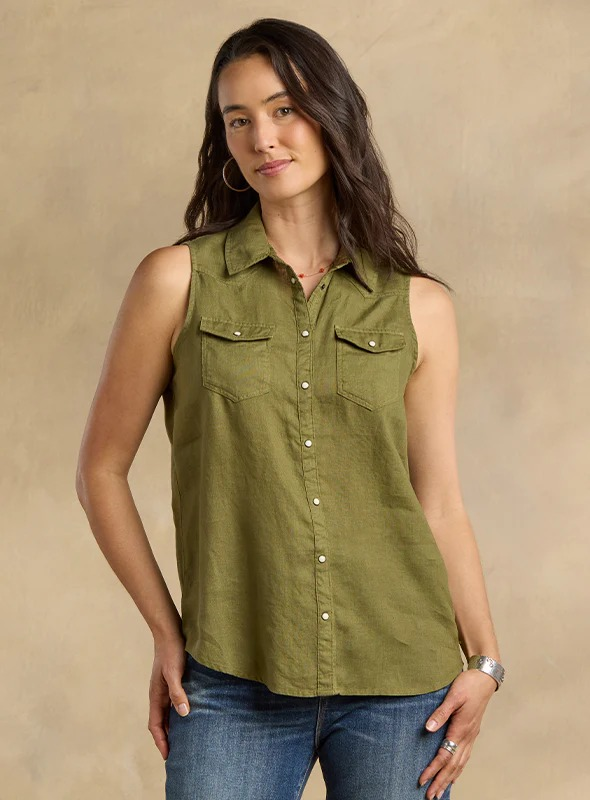
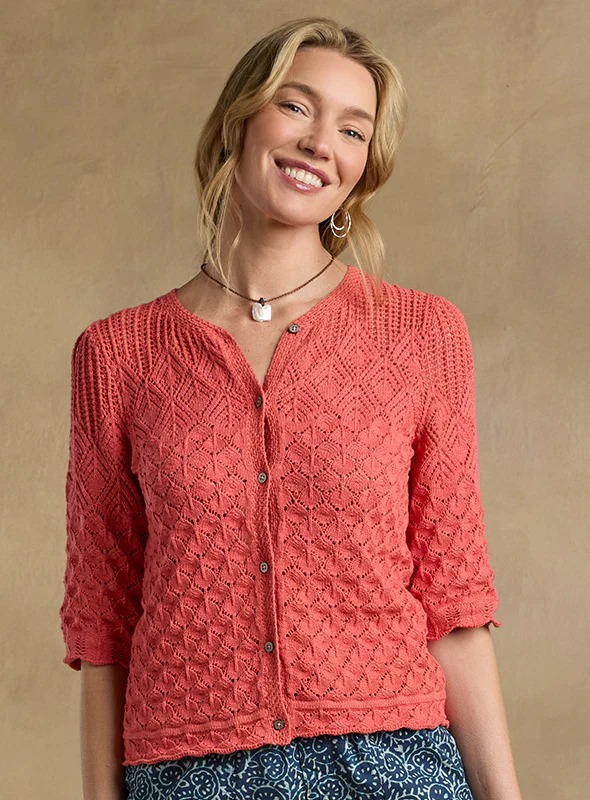
Color plays a vital role in this communicative framework. Different hues evoke distinct emotional and psychological responses. A woman choosing a vibrant, saturated shade might be signaling confidence and exuberance, while another opting for muted, earthy tones may convey a sense of calm, seriousness, and timeless elegance. The strategic use of color palettes allows a person to manipulate perception and reflect their internal state—a visual mood board for the day. Similarly, the choice of print or texture can add complexity; a bold geometric pattern speaks to structure and dynamism, whereas a delicate floral motif suggests softness and romance.
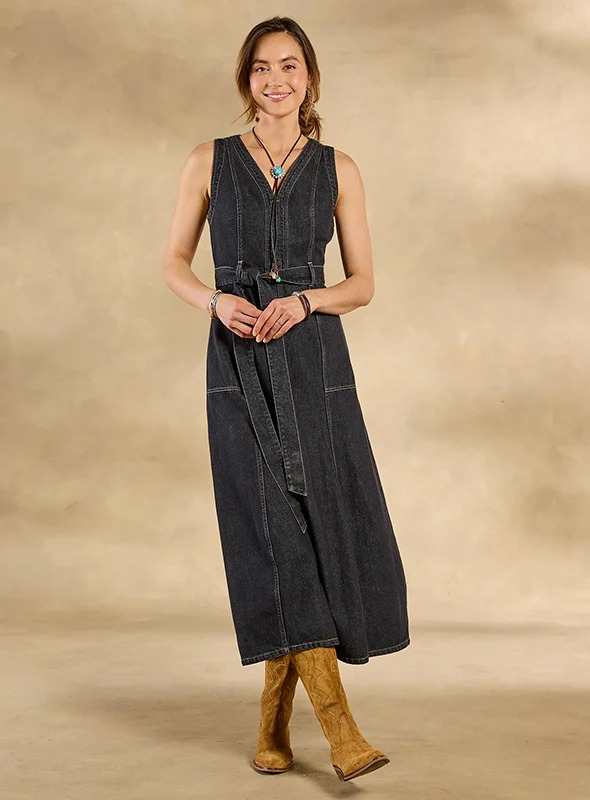
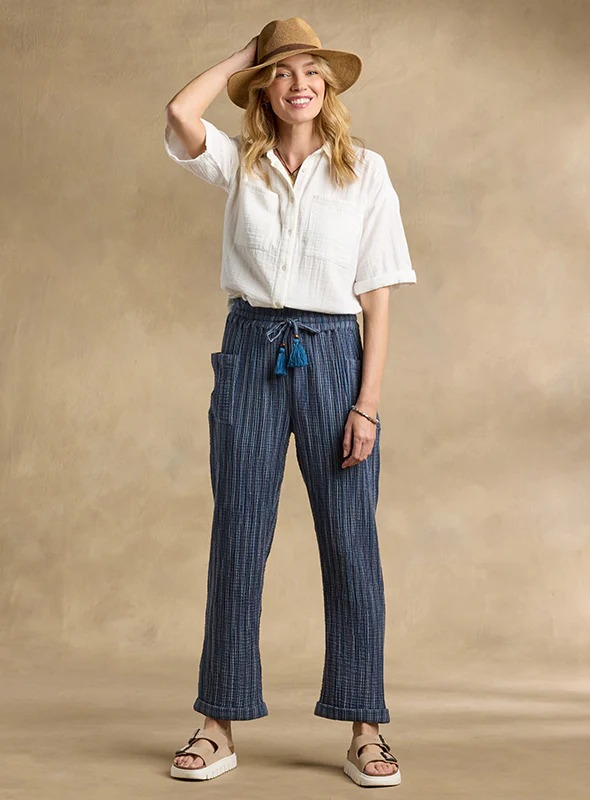
Beyond color, the construction and silhouette of the apparel are crucial to the architecture of an aesthetic. Every cut, drape, and seam contributes to the overall impression. For instance, tailored, structured items—think sharply cut jackets and trousers—often project authority and precision. Conversely, flowing, voluminous garments made from soft, pliable materials champion ease, creativity, and a relaxed posture. The interplay between these two poles—structure and flow—is where much of the artistry in dressing lies, allowing a woman to fine-tune the message she wishes to send.
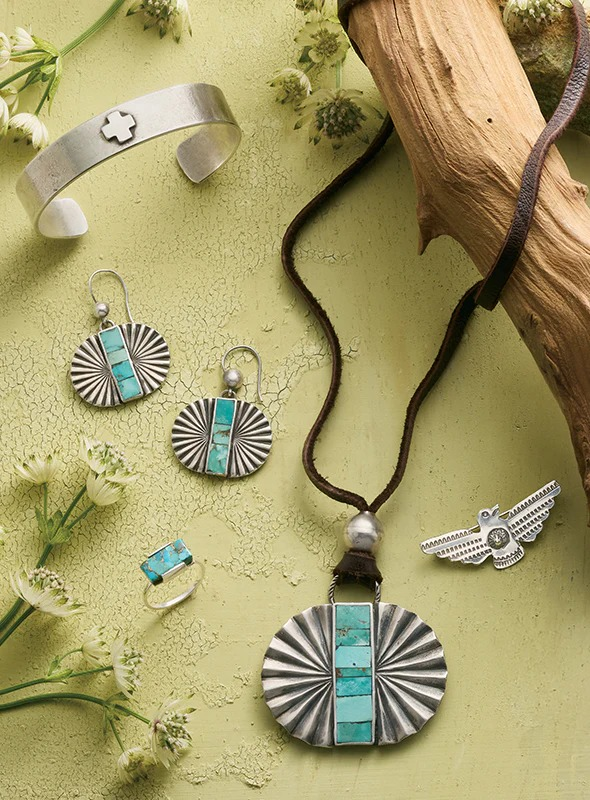
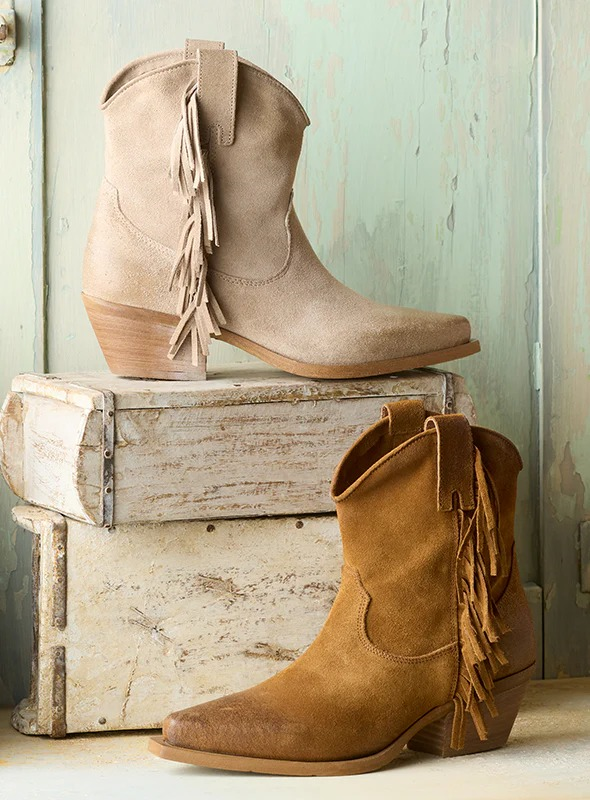
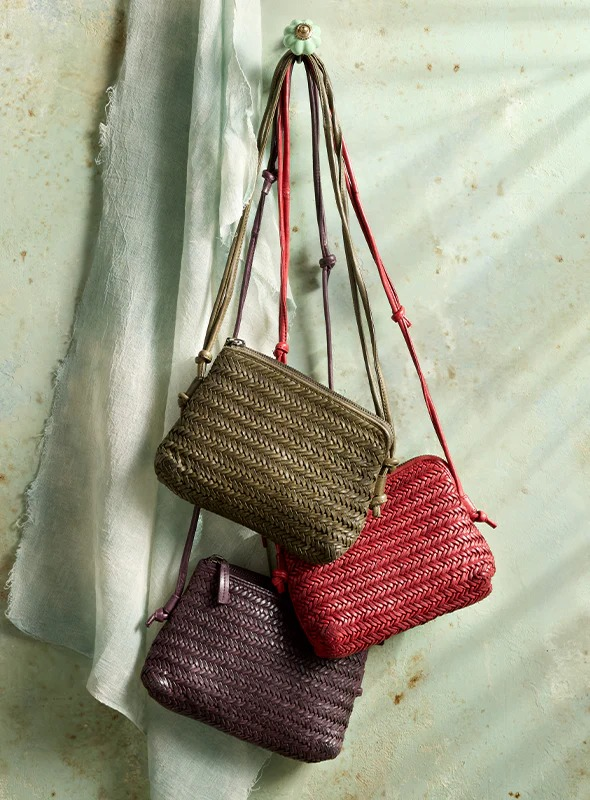
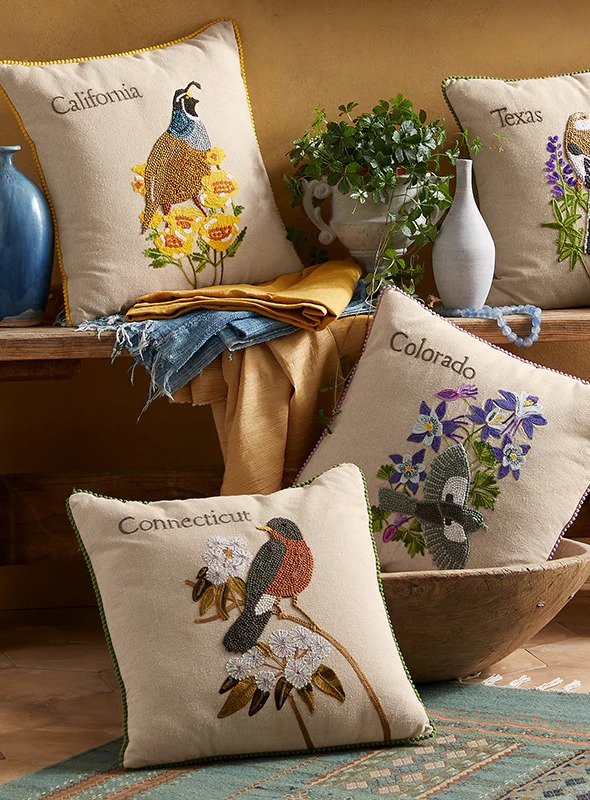
The accessories a woman chooses function as punctuation marks in her style sentence. They are the details that can elevate or entirely transform an outfit, offering a final layer of personality. From the functionality of a well-designed carryall to the deliberate statement of a piece of adornment, accessories are often the most personal elements of an ensemble. They can provide a subtle nod to a personal passion, an appreciation for craft, or a simple splash of unexpected contrast.
In contemporary life, the concept of fashion as an art form has led to an increased appreciation for garments that transcend mere utility. Pieces are increasingly viewed as collectible items, chosen for their design integrity and emotional significance rather than just their current trendiness. This approach encourages a deeper relationship with one’s wardrobe, fostering care and maintenance, and ultimately promoting a more sustainable approach to consumption.
The ongoing conversation around women’s fashion continually affirms the right to choose, to experiment, and to evolve. Attire is not a fixed definition but a conversation one has with oneself and the world, every single morning. It is an expression of self-sovereignty, enabling women to claim their space and define their own visual legacy, one thoughtfully selected garment at a time. The crafting of a personal aesthetic is therefore an empowering act of self-definition, an enduring creative project that reflects the continuous journey of personal growth.